

Inside Pump Pattern Design: Why Pattern Tooling Can Cost $75,000 or More
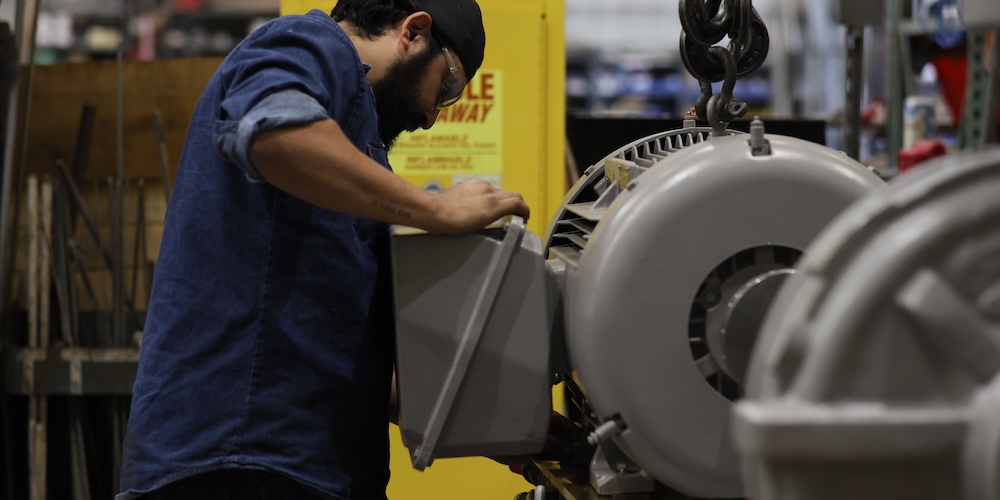
At first glance, a pump pattern can look like a large wooden model. In reality, it is an engineered tooling system used to create the sand molds and internal cores for a casting. For one PumpWorks multistage pump project, the casing pattern package cost approximately $75,000 before impeller tooling was added.
What is a Pump Pattern?
In sand casting, the pattern creates the external shape of the pump casing. Separate core boxes create sand cores for the volutes, crossovers and other internal hydraulic passages.
The easiest way to think of it is that the pattern creates the space where the metal will go. Foundry personnel pack sand around the pattern and then remove the tooling, leaving a cavity for molten metal.
Why Pump Patterns Differ from the Finished Casting
Several allowances have to be built into pump pattern design.
Shrinkage: Molten metal contracts as it cools. The amount depends on the alloy, casting size and foundry process, so the pattern must be larger than the required casting. Pattern makers even use shrink rulers built for specific shrink rates. A measurement marked as 12 inches on the ruler is physically longer to account for the contraction that will occur later.
Draft: Vertical surfaces need a slight angle so the pattern can be pulled out of packed sand without damaging the mold. A surface that will be straight on the finished casing may still need draft in the tooling.
Machining stock: Surfaces that will be machined need extra metal. That gives the machine shop enough material to produce the required fits, sealing surfaces and final dimensions.
Core support: Sand cores are much lighter than molten metal. During pouring, that buoyancy can cause them to shift, crack or float. The tooling package must position and support the cores so the hydraulic passages and casing walls end up where they belong.
These allowances are not applied the same way across the entire casing. The pattern maker needs to know how the pump works, which surfaces will be machined and how the foundry plans to assemble the mold.
What’s Included in a Pump Pattern Package?
A large pump casing cannot be formed with one wooden piece. The tooling may include:
- Upper and lower outer patterns
- Core boxes for internal hydraulic passages
- Alignment fixtures
- Supports for positioning sand cores
- Separate impeller patterns
- Tooling for custom bearing housings or other components
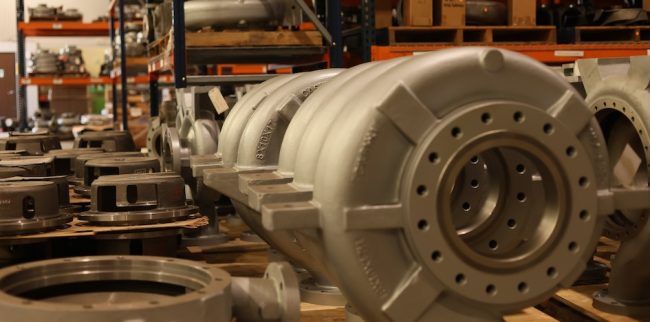
In the PumpWorks multistage project, the casing required 22 core boxes, two alignment fixtures commonly called dog bones and upper and lower outer patterns. That came to 26 pieces before the impeller patterns were counted. The impeller tooling added approximately $25,000 to the project.
Each core box formed one section of the internal flow path. Those cores then had to fit together inside the outer mold with the correct spacing and alignment. If one core was out of position, it could affect wall thickness, machining access or hydraulic geometry.
This is why calling the pattern a wooden mold misses most of the work involved. Pattern makers have to interpret the pump design, understand the foundry process and build precise wooden assemblies that can be handled and reused. The finished tooling is closer to a large three-dimensional puzzle than a single mold.
Why Design Changes Can Require New Tooling
Pattern tooling follows the pump’s mechanical and hydraulic geometry. When that geometry changes, one core box may need to be replaced, or much of the tooling package may need to be rebuilt.
Changes that can affect the tooling include:
- Increasing or decreasing the number of stages
- Changing from a single-suction to a double-suction first stage
- Revising an impeller or volute
- Moving a crossover or internal passage
- Changing vane counts
- Adding custom bearing housings
- Changing casing dimensions
Increasing the number of stages, for example, changes the casing length. That can mean new outer patterns and alignment tooling. A hydraulic revision may require new core boxes even when the outside of the casing remains the same.
Because a small pump-design change can require several new tooling pieces, the hydraulic and mechanical design should be settled before pattern production begins.
Reusable Patterns vs. Printed Sand Molds
Traditional wooden patterns cost more at the beginning of a project, but they can produce many sand molds before wearing out. That can make sense when the order includes several pumps or the same casting may be needed again.
A foundry can also produce a printed sand mold without permanent wooden tooling. This lowers the initial tooling investment, but the mold can only be used once. Producing another casting means printing another mold.
The decision depends on production quantity, schedule, expected future demand and the likelihood of design changes.
Why the Tooling Cost Adds Up
This is where the $75,000 figure starts to make more sense. The cost reflects the number of pieces, casing size, internal geometry and labor required to make every component fit together. It also reflects the experience needed to turn a pump design into tooling that can be molded, assembled and reused.
An error in the pattern does not stay in the pattern shop. It carries into casting, machining and assembly. Accurate tooling gives the foundry a workable starting point for producing a casing that can move through manufacturing and testing.
Planning a Custom Pump Project?
PumpWorks supports custom pump projects through hydraulic development, mechanical design, casting coordination, manufacturing and testing. Contact PumpWorks to discuss your application and custom pump requirements.