

What Actually Goes into Building an API Pump
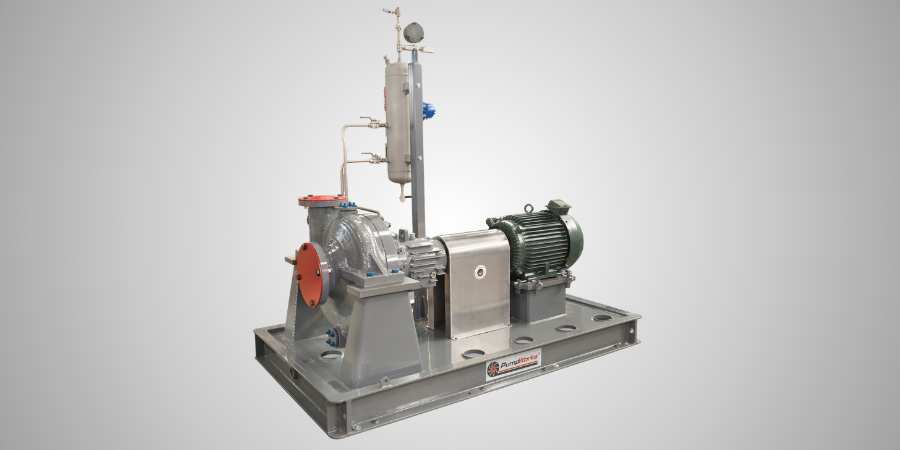
Most people think the lead time starts when metal gets poured or machining starts. In reality, a huge amount of the work happens before the pump physically exists.
Across the industry, standard custom API pump builds regularly stretch to a 30-week lead time because weeks get tied up in fragmented hydraulic analysis, casting development, and design revisions. When these moving pieces aren’t tightly aligned, schedules can begin to slip quickly. Accelerating this timeline isn’t about skipping steps…it’s about eliminating the friction between them.
The challenge is managing those steps efficiently, reducing rework, and keeping dozens of moving pieces aligned from engineering through final testing.
It Starts Long Before a Pump Exists
For many projects, the starting point is simply a list of operating conditions: flow, pressure, temperature, specific gravity, and site requirements. From there, engineering has to figure out what hydraulic design will actually produce that performance.
That process can involve CFD analysis, impeller development, crossover design, mechanical layout work, and pressure containment reviews before anything ever reaches a foundry or machine shop.
A Single Pump May Pass Through Multiple Facilities
API pumps are rarely built under one roof. A typical project moves through multiple specialized phases before the equipment ever reaches the site:
- Application Engineering: Developing the scope and performance requirements.
- Design & Analysis: Mapping hydraulics and running complex CFD simulations.
- Pattern & Foundry Work: Constructing specialized patterns and managing casting production.
- Manufacturing: Precision machining and final assembly.
- Logistics & Field Service: Packaging, shipment, and installation support.
Companies that can keep engineering, casting, machining, and testing aligned often have an advantage when it comes to project timelines. Reducing lead time is rarely about skipping steps. It is usually about reducing unnecessary delays between them.
That focus on coordination is one reason PumpWorks has been able to support accelerated project schedules when timing is critical.
Not Every Project Starts at Zero
One thing that often gets lost in lead time discussions is that not every manufacturer starts from the same place.
Some projects require entirely new hydraulics, castings, and tooling. Others benefit from existing engineering knowledge, previous designs, or experience with similar applications. In those cases, teams can spend less time solving known problems and more time moving the project forward.
Reducing lead time is rarely about skipping steps. Engineering, casting, and testing still have to happen.
The difference is how efficiently those steps are managed. Companies that can reduce unnecessary iterations, coordinate handoffs effectively, and run activities in parallel often have an advantage over competitors starting from scratch.
Pattern Work Happens Earlier Than Most People Realize
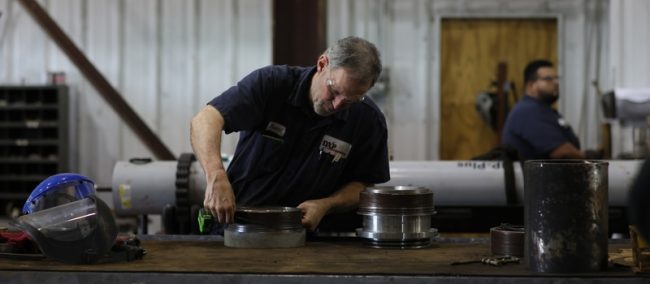
Most people outside the pump industry never think about pattern work. Pattern shops are not simply copying a CAD model into wood. They are accounting for shrink rates, machining stock, draft angles, gating requirements, sand mold behavior, and casting distortion.
Foundry Work is Not “Pour Metal and Ship It”
Another misconception is that once the casting gets poured, the pump is basically done. In reality, pouring the casting is only one stage of the process.
Before a casting is ever poured, engineers may spend days modeling how metal will flow, cool, and shrink to avoid defects later in the process. The goal is not simply to fill a mold with metal. The goal is to produce a casting that can be machined, inspected, assembled, and tested successfully.
Foundries still have to:
- Design gating and riser systems
- Run solidification modeling
- Control shrinkage and cooling behavior
- Prevent hot tears and voids
- Remove excess metal
- Clean internal passages
- Perform inspections
- Repair defects
- Heat treat the casting
- Complete weld repair and finishing work
Manufacturing large pressure-containing equipment comes with the reality of casting imperfections. That is normal in this type of work. Castings regularly go through X-rays, hydrotests, weld repair, grinding, and rework before they are ready for machining or final assembly.
Machining and Testing Still Leave Room for Rework
Once castings arrive for machining, there is still a long way to go. CNC programs must be developed, critical fits and dimensions must be machined, pressure-containing areas must pass hydrotesting, rotors must be assembled and balanced, and performance testing must verify the hydraulic curve.
Missing the target on a first test run can add substantial time to a project. That is one reason so much effort goes into hydraulic analysis, design reviews, inspections, and manufacturing controls before a pump ever reaches the test stand.
The testing process is not there to confirm the pump probably works. It is there to prove it actually performs.
The best way to save time is not to skip testing. It is to avoid finding major problems during testing in the first place. That starts much earlier in the project with engineering, manufacturing controls, inspections, and communication between teams.
Installation Adds Another Layer
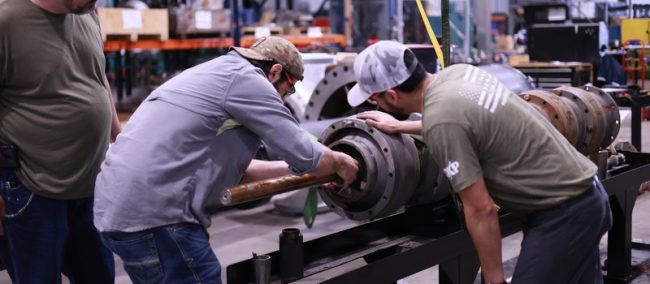
Even after shipment, the project is still not truly finished. Large API pumps still require:
- Foundation preparation
- Grouting
- Pipe strain checks
- Alignment verification
- Field inspections
- Seal installation
- Final commissioning
Pipe strain and alignment become major concerns during installation because even small errors can create serious operational problems later. Building the pump is only part of delivering a successful project.
Talk to PumpWorks About Custom API Pump Projects
While a 30-week timeline might be the accepted norm for standard manufacturers, long lead times shouldn’t stall your operations. Experience, coordination, and early engineering decisions can have a major impact on how efficiently a project moves from design through final testing.
At PumpWorks, engineering, manufacturing, testing, and field support work together throughout the project lifecycle. Keeping those groups aligned helps reduce unnecessary delays while maintaining the reliability and performance expected from API equipment.
PumpWorks supports custom API pump projects from hydraulic development and casting coordination through machining, testing, packaging, and field support. Our teams work across engineering, manufacturing, and pump service facilities to manage the realities that come with large custom pump builds.
If you are planning a new API pump package, expanding an existing system, or evaluating replacement options for legacy equipment, contact PumpWorks to discuss your application and project requirements.