

What is a High Pressure Pump? Types, Applications, & Selection Tips
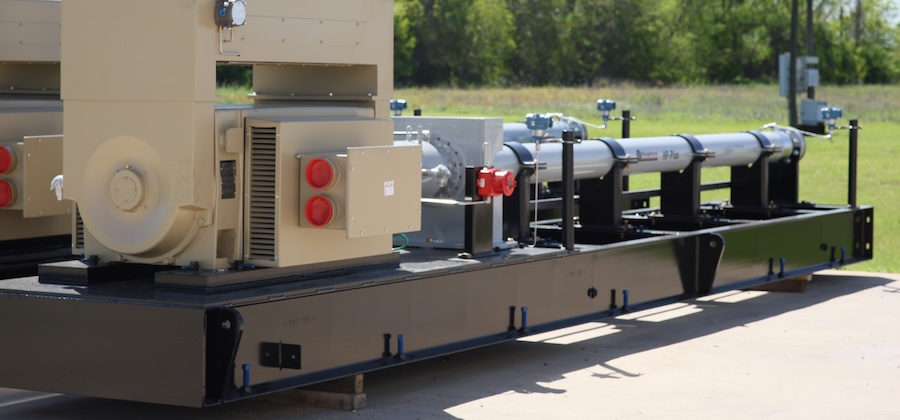
In a perfect world, high pressure pumps operate exactly as they do on a digital datasheet. In the field however, the reality is different. A pump that looks perfect on a curve can become a liability once it encounters real-world piping strain, variable flow demands, and internal vane-pass pulsations. This guide covers the critical intersection of hydraulic design, mechanical limits, and manufacturing reality.
What is a High Pressure Pump?
A high pressure pump is designed to generate higher discharge pressures than standard pumping equipment. In industrial service, that often means pressures well above 150 psi and commonly above 1,000 psi depending on the application.
Higher pressure introduces challenges that do not exist in lower pressure systems:
- Increased mechanical loading on all components
- Tight internal tolerances that affect performance
- Sealing systems that must handle pressure and temperature changes
- Casings that must contain pressure without distortion
Performance depends on how well hydraulic, mechanical, and manufacturing constraints are aligned.
Where High Pressure Pumps Fail
Most high pressure pump problems come from gaps between design, manufacturing, and installation.
Common failure points include:
- Performance curves that do not match real operating conditions
- Hydraulic designs that cannot be built as intended
- Vibration from vane pass interaction
- Installation issues such as pipe strain or poor alignment
Every centrifugal high pressure pump generates pulsation as impeller vanes pass internal components. If that pulsation lines up with system geometry or fluid properties, vibration can increase quickly.
Types of High Pressure Pumps
1. Centrifugal High Pressure Pumps
A centrifugal high pressure pump builds pressure in stages. Each impeller adds head, and total discharge pressure is the sum across all stages. These are designed from a required curve rather than a catalog.
- Operating Range: Impeller geometry, vane count, and crossover design are selected to match performance across the expected range.
- Axial Thrust: Opposed impeller arrangements are frequently used to balance axial loads.
- Vane Pass Frequency: Designers adjust vane counts to shift pulsation frequencies away from system resonance.
2. Positive Displacement Pumps
Positive displacement pumps move a fixed volume of fluid through the system. Flow remains relatively constant as pressure changes.
- Reciprocating Designs: Plunger or piston pumps used for extreme pressures.
- Diaphragm Pumps: Used where precise flow control or leak prevention is required.
3. Specialty Industrial High Pressure Pumps
Specific processes require engineered solutions built for unique conditions, such as API pumps for refinery service, multistage pumps for pipeline expansion, or injection pumps for chemical service. These designs are validated through CFD modeling and performance testing before manufacturing begins.
The Manufacturing Constraint
A design must be manufacturable to be reliable. Cast components shrink during cooling, and internal passages must remain accessible for precision machining. Hydraulic designs are often adjusted during the mechanical design phase to ensure the pump can be assembled, maintained, and cleaned.
Common Applications
High pressure pumps are used in applications where fluid must move under demanding conditions.
Oil & Gas
- Pipeline transport over long distances
- Injection and reinjection systems
- Refinery processes
Chemical Processing
- Transfer of corrosive or volatile fluids
- Reactor feed systems
Power Generation
- Boiler feedwater systems
- High pressure circulation systems
Water & Industrial Services
- High pressure cleaning and jetting
- Reverse osmosis systems
Selection Factors
Selecting an industrial high pressure pump requires more than matching flow and pressure. Performance depends on how the system behaves in operation.
1. Operating Conditions
Define:
- Flow rate
- Discharge pressure
- Fluid properties such as density and viscosity
These inputs define the performance curve.
2. Hydraulic Design
Hydraulic performance is developed through:
- Curve generation and validation
- CFD analysis
- Iterative refinement
Multiple design passes are often required to match expected performance.
3. Mechanical Design
High pressure service requires:
- Pressure-rated casings
- Materials suited for corrosion and stress
- Structural stability under operating loads
Design changes at this stage can affect both performance and manufacturability.
4. Vibration Behavior
All centrifugal pumps experience pulsation from vane pass interaction. In high pressure multistage pumps, this can lead to resonance, increased vibration, and reduced equipment life.
5. Installation & System Alignment
Installation is a common source of failure.
Important factors:
- Baseplate leveling and grouting
- Piping alignment and pipe strain
- Coupling alignment
If piping does not align with the pump, forcing it into place introduces stress into the casing and affects internal clearances.
Alignment tolerances are small, and even minor deviations can lead to vibration and reduced component life.
6. Testing & Validation
Before service, pumps are tested to confirm performance:
- Pressure testing
- Performance testing against the curve
- Leak and seal checks
High Pressure Engineering with PumpWorks
High pressure applications require coordination across engineering, manufacturing, and field service. PumpWorks provides support from initial hydraulic design through pump testing and installation.